Experimentation
Ideas need to be tested, not assumed. I validate concepts and designs at every level of fidelity, from rough sketches to working prototypes, directly with end users, and use a range of methods, from lo-fi concept tests to structured behavioural experiments, to learn fast and reduce risk. Validation isn't the final step in a process; it's a mindset that runs through everything.
Methods
- Rapid prototyping and iteration
- Concept and usability testing
- Wizard-of-oz experiments
- Behavioural experiment design
- Success metric definition
- Measure, learn and iterate
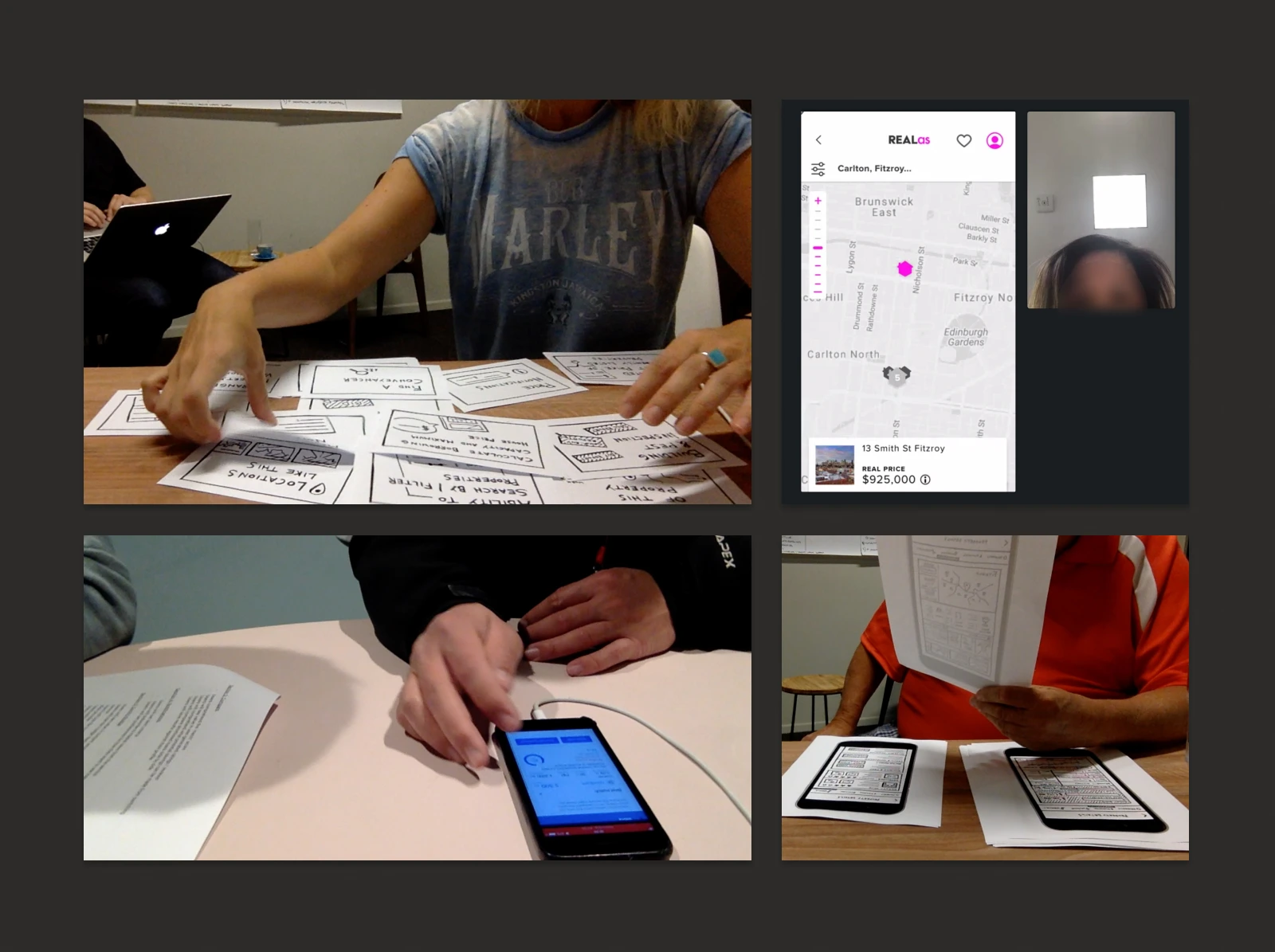
The goal of experimentation is to make better decisions with less guesswork. I approach this by treating prototypes as questions made tangible, each one designed to test a set of specific assumptions, not to demonstrate a finished idea. The fidelity of a prototype should match the question being asked: sometimes a paper sketch and a conversation with a real user is enough; other times you need something that feels real enough to generate genuine behaviour.
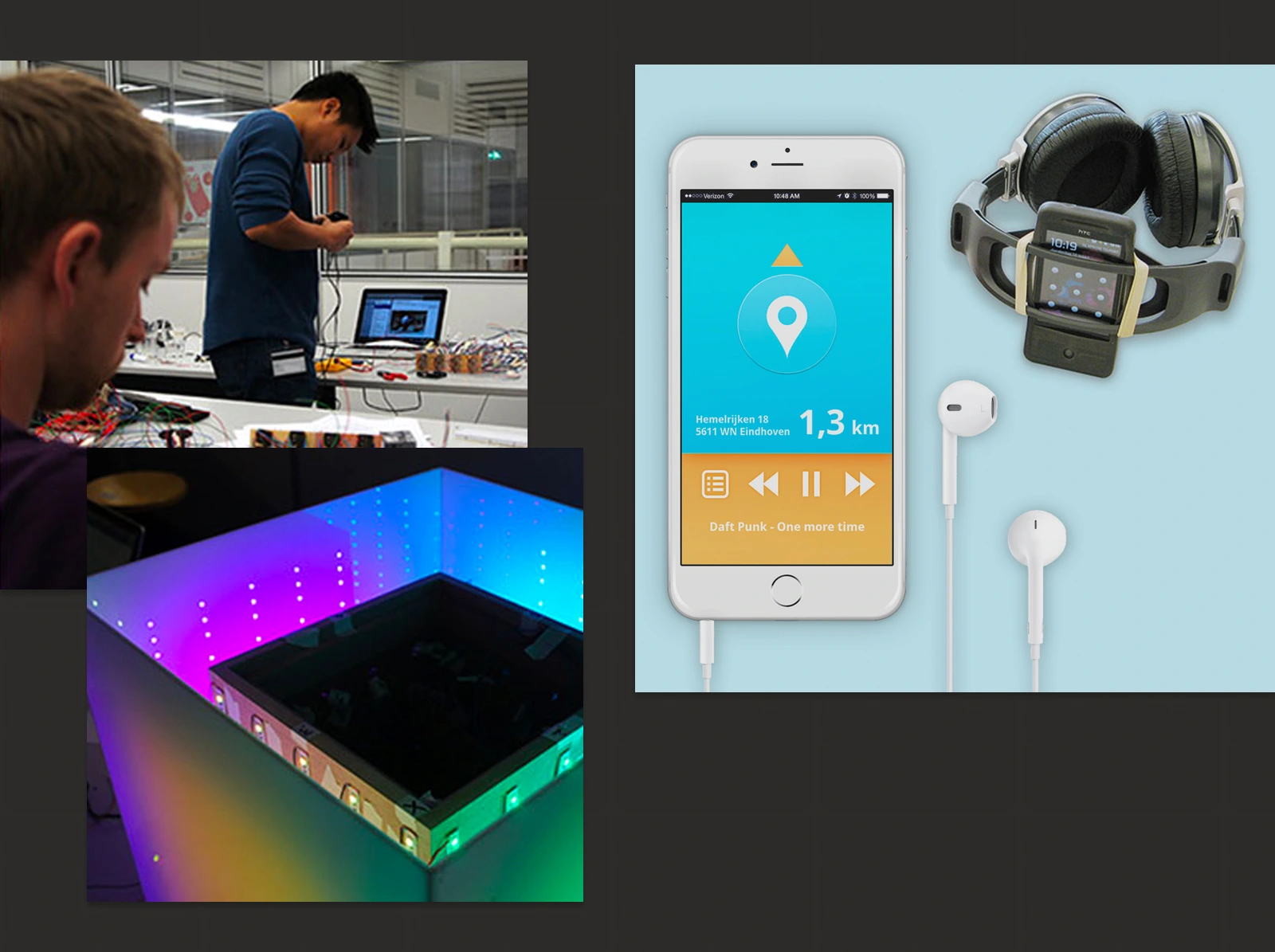
That range in fidelity shows up clearly across two projects from earlier in my career. For Philips, I worked as part of a small team to build and test a physical prototype for LED-light furniture, collaborating closely through rounds of feedback with real users to refine both the interaction and the experience. Around the same time, I worked alongside a university research team to develop and test a mobile Android app designed to help cyclists navigate using music cues, iterating the experience together with student users at university, and eventually publishing a scientific paper on the findings.
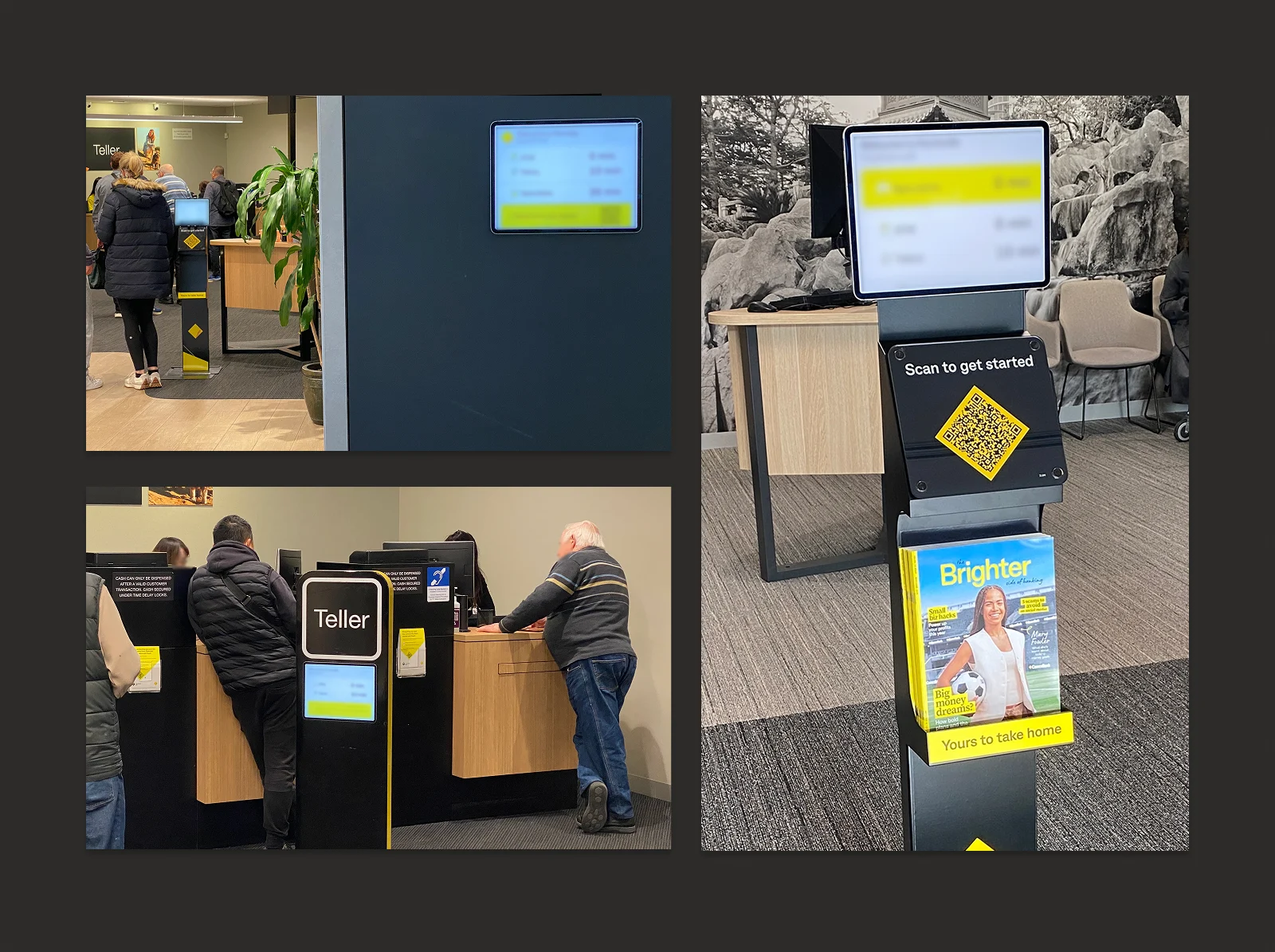
One of the most memorable examples of structured experimentation was a wizard-of-oz test for CommBank, exploring customer expectations around an in-branch information screen. Rather than building a working system, the project team and I simulated the live updates ourselves from behind the scenes, working closely together with branch staff to pull off the experiment smoothly while customers interacted with what appeared to be a finished product. The insights this generated were far richer than any survey or interview could have produced, because we were observing real behaviour in a real context rather than asking people to imagine how they might feel.
Continue toProduct Design